Visible growth
Measure and photograph the area, identify the material, and investigate moisture. EPA says routine sampling is generally unnecessary when visible growth is present.
Maryland indoor moisture briefing Evidence note 01
A calm place to sort out what happened, what became wet, and which question deserves a qualified answer.
Short answer
Start with what you can observe: where the material is, what became wet, how long dampness may have lasted, and which building materials are involved. A dark color does not identify a mold species or establish a health conclusion. The practical decision begins with moisture, extent, material condition, occupant needs, and a clearly defined next step.
Safety boundary: If there is contaminated water, structural damage, an electrical hazard, unsafe access, suspected HVAC contamination, or a health concern, stop and use the appropriate qualified help. For this topic, first note any hvac intake, contaminated water, electrical, structural, or access concern.
Moisture connection
Indoor growth requires moisture. Water may arrive as a visible plumbing or roof leak, seep through a foundation, condense on a cold surface, overflow from an appliance, collect in an HVAC drain system, or remain inside a material after a flood. The first visible spot can be far from the original entry point. A ceiling stain may follow framing, and a cabinet base may become wet before a slow leak reaches the floor.
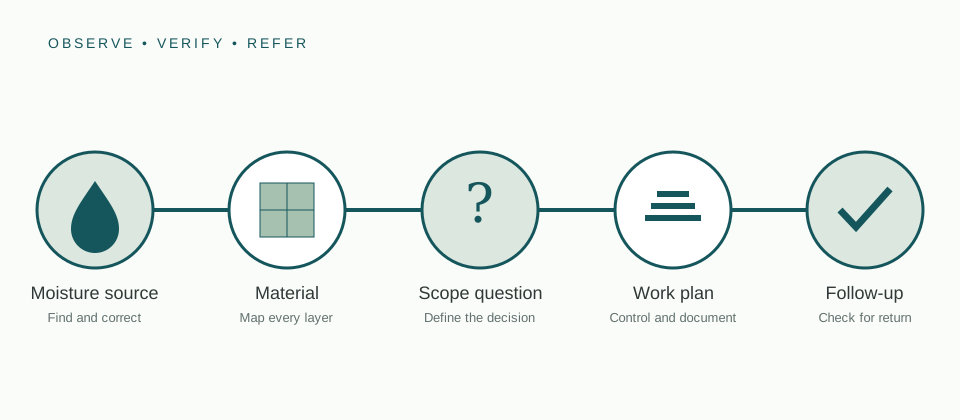
That is why the site uses a moisture-path diagram instead of dramatic imagery. Record the earliest wet point, the event that makes water appear, and every material along the path. A repair should be verified under the condition that caused the problem. Cleanup and new finishes should not hide an active or unresolved source.
Assessment path
Measure and photograph the area, identify the material, and investigate moisture. EPA says routine sampling is generally unnecessary when visible growth is present.
Use event history, moisture readings, safe accessible observations, and experienced investigation. Do not open a wall or run suspect HVAC equipment merely to see what happens.
Ask what decision a result will change, who designed the protocol, how it will be interpreted, and what comparison or completion criteria apply.
Remediation overview
Assessment, moisture-source repair, remediation, reconstruction, and post-work evaluation are different responsibilities. A clear proposal names who owns each one. It identifies known affected materials, access, containment, contents, removal or cleaning methods, drying, waste handling, exclusions, change-order triggers, and completion evidence. It should not rely on fear about a color or a promise to make a building sterile.
EPA explains that it is not practical or desirable to eliminate every mold spore from an indoor environment. The project goal is to correct the moisture problem, remove indoor growth, clean and dry appropriate materials, and monitor the repaired condition. Porous materials can need removal when they cannot be cleaned and dried completely. Valuable contents may need a specialist rather than an ordinary remediation decision.
Documentation
Use room-wide photographs, close views, a measurement for scale, and a timeline for discovery, leaks, repairs, drying, inspection, sampling, cleanup, and reconstruction. Keep original files. Separate what you observed from what a contractor, landlord, laboratory, insurer, or health professional told you.
For rental property, give notice in writing and use current Maryland DHCD and Maryland Courts resources for state-level information. Local requirements may add steps. This website does not interpret a lease or decide whether a court remedy applies.
Health boundary
CDC identifies people with allergies, asthma, COPD, immune suppression, or underlying lung disease as groups who may need to avoid mold cleanup. Children should not participate in disaster cleanup. If symptoms or personal health risks are part of the situation, speak with a qualified health professional. A contractor, air sample, or web page should not be used to diagnose a person.
Call preparation
A phone connection is only the start of a provider decision. Ask the person who answers to identify the company, the role they perform, and whether they cover the exact property. For Maryland residential home-improvement work, use the official MHIC resources to check the specific entity. Request a written explanation of assessment, moisture-source repair, remediation, contents, reconstruction, exclusions, and completion. Do not treat a referral, logo, badge, or verbal statement as independent proof of licensing, insurance, certification, availability, or quality.
Observe
Verify
Define the job
EvidenceA visible patch, staining, or a musty odorActionStop or isolate an active water source only when it is safe to do so
EvidenceA recent leak, flood, condensation pattern, or recurring dampnessActionRecord dates, wide photos, close photos, affected materials, and any repairs already made
EvidenceThe affected material and whether it feels soft, swollen, or delaminatedActionUse the guide library to understand the setting before requesting a scope
EvidenceAny HVAC intake, contaminated water, electrical, structural, or access concernActionIf you call, verify the independent provider and ask for a written explanation of work and exclusions
Evidence
For maryland mold concern guide, start with EPA: A Brief Guide to Mold, Moisture and Your Home. The source supports general guidance. It does not identify material in a photograph, diagnose a person, or verify a particular provider.
Refer
Have the room, material, approximate extent, water-source status, and first-observed date ready. A call may connect you with an independent provider. Coverage and provider qualifications are not promised.